
As a manufacturer of car brake pads, we have more than twenty years of production experience. Today let’s talk about semi-metallic brake pads.
Semi-metallic brake pads: A cost-effective choice balancing performance and cost.
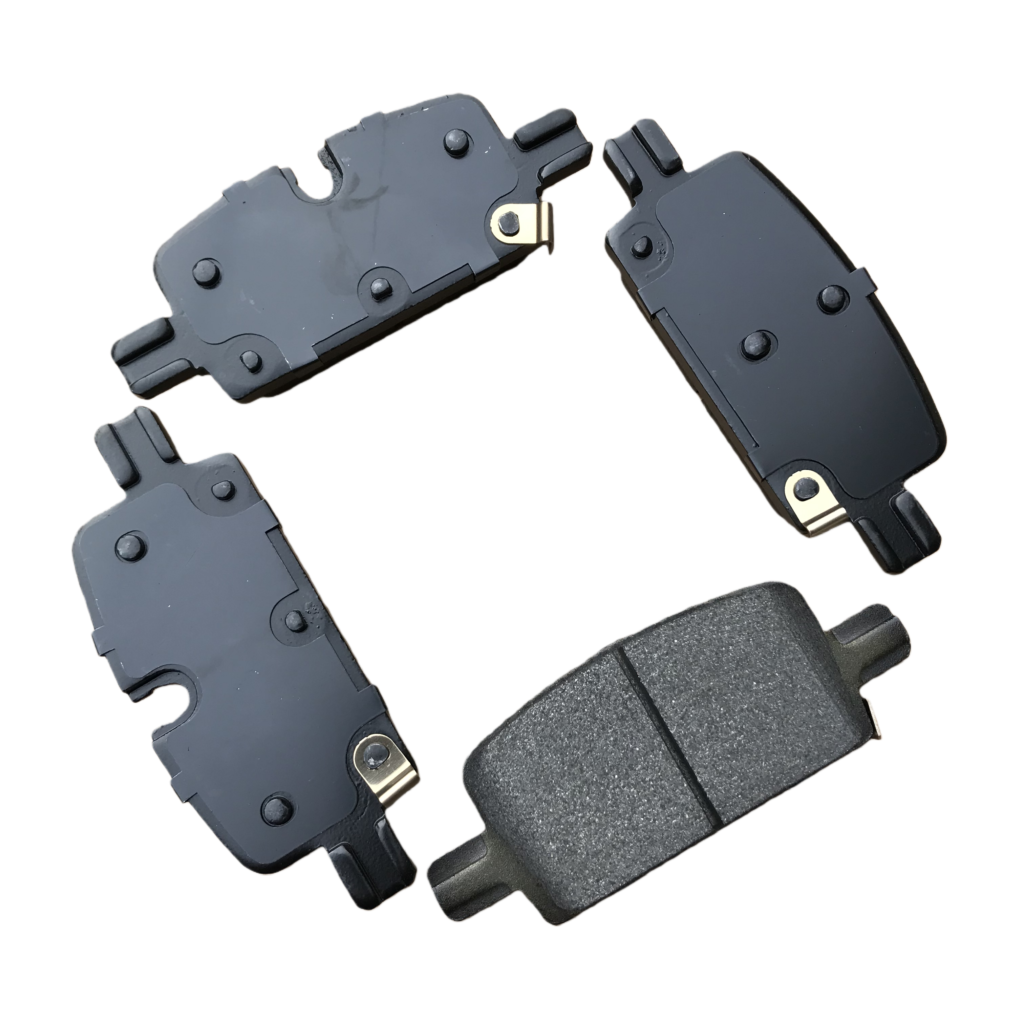
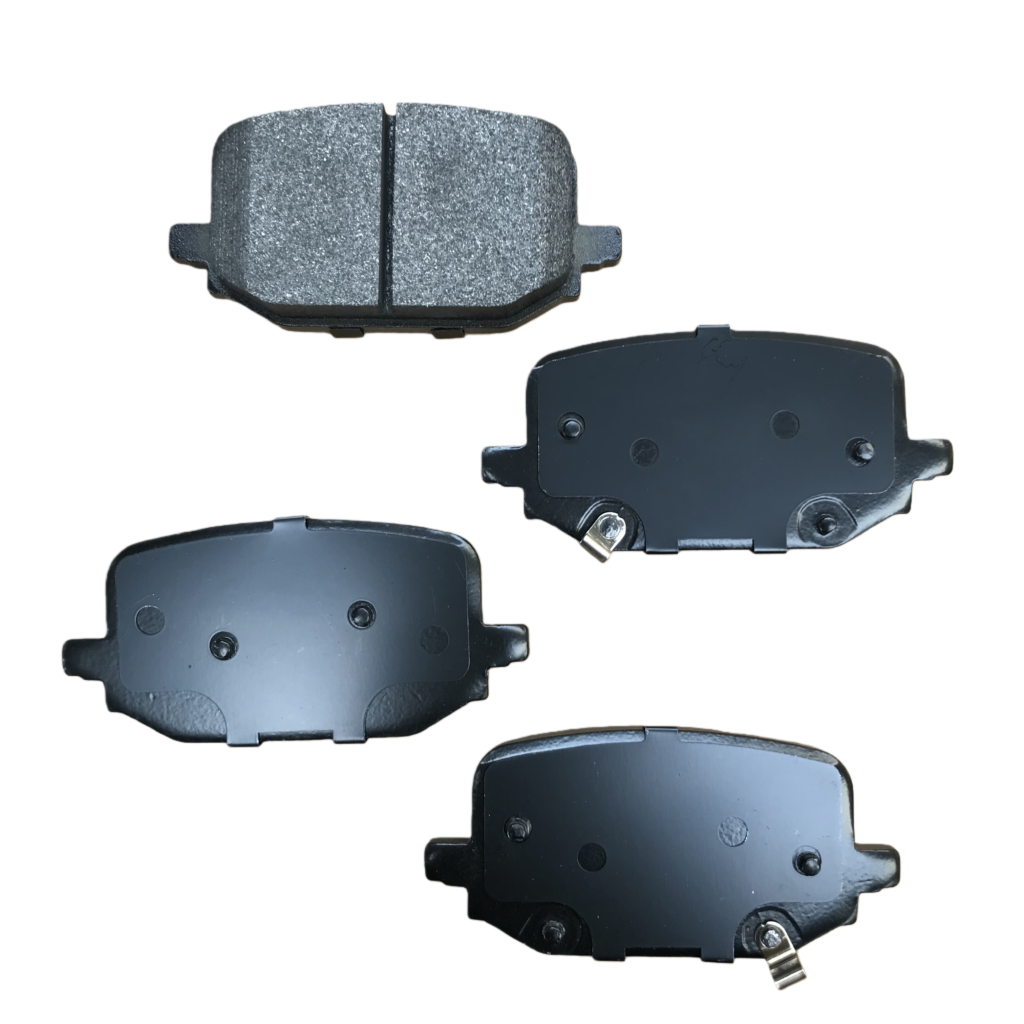
Semi-metallic brake pads are currently the “mainstream” in the aftermarket, with a metal content of 30%-65% and the core components include metal fibers such as iron wire, copper wire, steel fibers, etc., combined with resins, graphite and other binders and friction modifiers The core of the design of this type of brake pad is “equilibrium”, trying to find a balance between braking performance, price and service life, with a friction coefficient usually between 0.4-0.5, and a strong and direct braking force output.
Core advantages: High braking sensitivity, able to quickly generate braking force, and the response speed in emergency braking is better than organic materials. The high temperature is moderate, and it is not easy to have thermal decay during continuous braking in normal urban commuting and suburban road conditions, with strong adaptability. The price is moderate, 2%-30% lower than ceramic materials, and the service life can reach 30,000-50,000 kilometers, with outstanding comprehensive cost performance In addition, the metal fiber has good thermal conductivity, which can quickly dissipate the heat generated by braking, reduce the impact of thermal accumulation on the braking system, and is suitable SUVs, MPVs and other models with heavier body weight.
Performance limitations: The presence of metal components causes it to produce a certain amount of black dust when in friction, which adheres to the hub and affects, requiring regular cleaning. Additionally, the higher hardness of the metal material results in slightly higher wear on the brake disc compared to organic and ceramic materials, which may accelerate the wear of brake disc over long-term use. In extreme high-temperature scenarios (such as continuous downhill mountain roads), there may still be slight thermal fade, with a slight decrease in performance. Furthermore, some low-quality semi-metallic brake pads produce noticeable noise during braking, especially in low-temperature environments.
Adaptation scenario: family cars, SUVs, manual transmission models; vehicles with complex daily driving conditions (city congestion suburban national roads), requiring gear shifting and emergency braking; users with moderate budgets and a pursuit of “performance cost performance”; models with heavier body weight and higher requirements for braking force; car owners with special rim cleaning needs.
If you are purchasing brake pads, whether metal or organic, we are more than happy to provide you with professional advice. You can inform us of your specific needs, and we will help you match the most suitable solution. If you have purchasing and bargaining needs, please feel free to contact us, and we will provide you with high- products and thoughtful and considerate service.


No responses yet