
As a manufacturer of automotive brake pads, with over twenty years of production experience, and a factory with a variety of materials and qualities for wholesalers to from, I am often asked this question: “How is the quality of the organic brake pads you produce?” This is a legitimate concern, and today, I will explain it detail for you. First, let’s talk about what organic material brake pads are.Organic material brake pads: gentle guardians, suitable for low-speed light load scenarios.
Organic material brake pads: gentle guardians, suitable for low-speed light load scenarios.
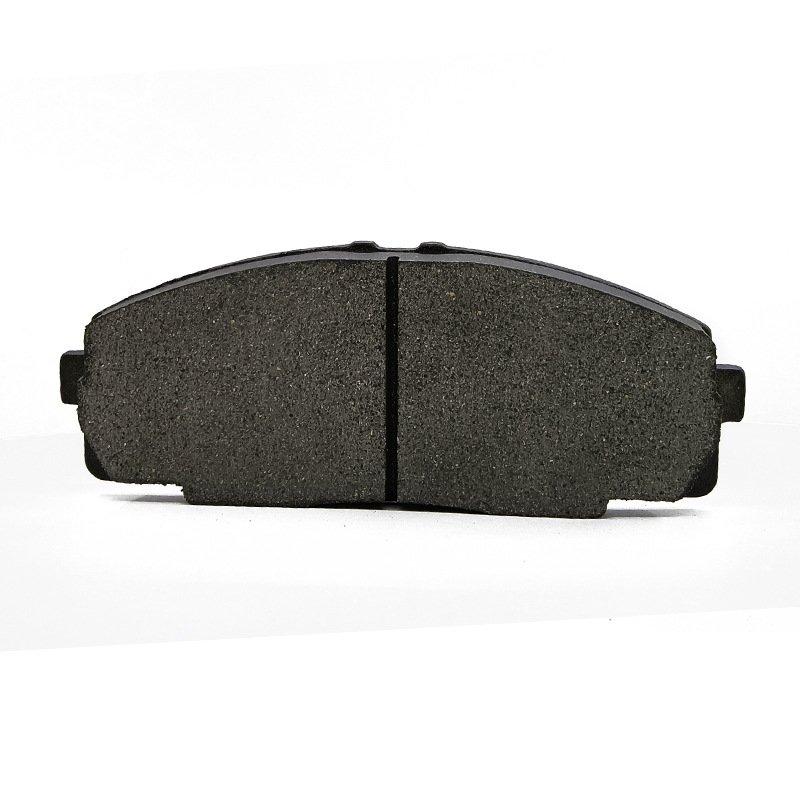
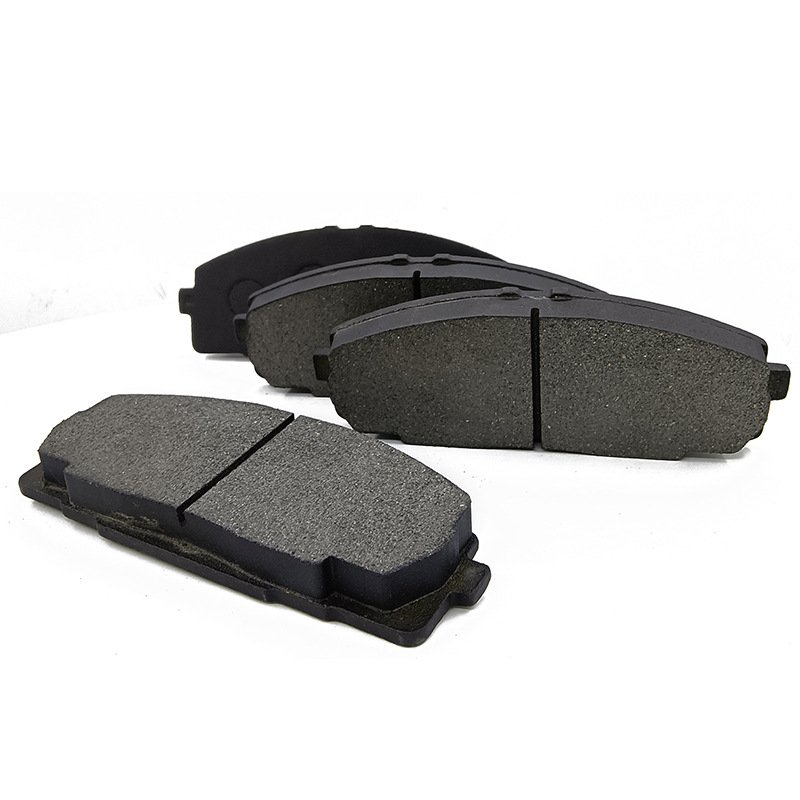
Organic brake pads (also known as NAO asbestos-free organic brake pads) are one of the earliest environmentally friendly products to replace harmful asbestos containing materials. Their core components mainly include resin, natural fibers (flax, cellulose), graphite, rubber and other non-metallic materials, with a metal content less than 5%. The initial development of this type of brake pad focuses on “gentle braking”, with a relatively low coefficient of friction, usually between 0.3-0.4, and does not produce a strong sense of jerk when braking, with a more gentle feel.
Core advantage: extremely low wear on the brake disc, making it the “most disc-friendly” choice among the four types of materials. Due to soft material, it does not cause scratches or excessive wear on the surface of the brake disc during friction, effectively extending the service life of the brake disc, especially suitable for older cars slightly worn brake discs. At the same time, the noise control performance of organic materials is excellent, almost no harsh braking noise, and the quietness during braking is prominent. In, its production cost is low, the selling price is usually 50%-70% of the ceramic material, suitable for users with limited budgets.
Performance shortcoming: high-temperature resistance is the “Achilles’ heel” of organic materials. When continuous braking (such as long downhill,-speed emergency braking) causes the temperature to exceed 300℃, the organic components such as resin will rapidly carbonize, resulting in a sharp drop of more than 0% in the friction coefficient, and a significant “thermal decay” phenomenon occurs, with a significant increase in braking distance. At the same time, its wear resistance is poor, the service life is usually only 2-30,000 kilometers, if it is used in high-frequency braking scenarios, it may need to be replaced frequently, the long-term cost of using the car will be higher. In addition, in rainy days, slippery roads and other environments, the braking response speed of organic materials will be significantly, and the stability is insufficient.
If you are looking to purchase brake pads, whether metallic or organic, we would be happy to provide you with professional advice. You can let us know your specific usage requirements, and we will help you find the most suitable solution. If you have needs for purchase negotiation, please feel free to contact us at any time. We will provide you with high-quality products and thoughtful services.


No responses yet